.png)
Understanding the Lifecycle of Sustainable Products: A Deep Dive into Eco-Friendly Practices

In today's rapidly changing world, sustainability has emerged as a crucial component of product development and consumer choice. Understanding the lifecycle of sustainable products is essential for businesses aiming to reduce their environmental impact while meeting the growing demand for eco-friendly options. In this article, we will explore the different stages of a sustainable product's lifecycle, while also shedding light on the role of sustainability consulting in optimizing these stages.
The Lifecycle Stages of Sustainable Products
The lifecycle of sustainable products can be divided into several key stages: raw material extraction, production, distribution, use, and disposal. Each stage presents unique challenges and opportunities for sustainability improvements. Let’s break down each stage:
1. Raw Material Extraction
The first stage of the product lifecycle is raw material extraction, which involves sourcing materials used in manufacturing. To support sustainability efforts, businesses can:
Choose renewable or recycled materials to minimize resource depletion.
Work with suppliers who practice ethical and sustainable sourcing methods.
Engage in transparency about material origins to foster consumer trust.
Partnering with a sustainability consulting firm can help businesses identify the most responsible sources for their materials, ensuring that their products have a positive impact right from the start.
2. Production
Next comes the production phase, where raw materials are transformed into finished products. This stage can be energy-intensive and is often responsible for significant GHG emissions. Here are some ways businesses can enhance sustainability during production:
Implement energy-efficient manufacturing processes to reduce energy consumption.
Use sustainable manufacturing practices that minimize waste and pollution.
Optimize production schedules to enhance efficiency and limit unnecessary resource use.
Calculating carbon emissions during production is crucial for businesses looking to minimize their environmental footprint. A remote sustainability consultant can assist with the Carbon Emissions Calculation, providing valuable insights for reducing emissions.
3. Distribution
Once products are manufactured, they need to be distributed to consumers. The distribution stage often involves transportation, which can contribute significantly to overall carbon emissions. Sustainable practices in distribution can include:
Choosing eco-friendly transportation methods (like electric vehicles).
Optimizing routes to minimize travel distances and times.
Employing local distribution centers to reduce transportation impacts.
By evaluating their distribution strategies, businesses can significantly reduce their GHG emissions and make strides toward overall sustainability.
4. Use
The use phase refers to the period during which consumers utilize the products. Encouraging sustainable use practices can be beneficial for both consumers and the business. Here are effective strategies:
Educate consumers on how to use the product efficiently and sustainably.
Design products that encourage energy conservation and waste reduction.
Consider offering incentives for customers who engage in sustainable behaviors (like recycling or responsibly disposing of the product).
With the right approach, companies can enhance the customer experience while promoting environmental responsibility.
5. Disposal
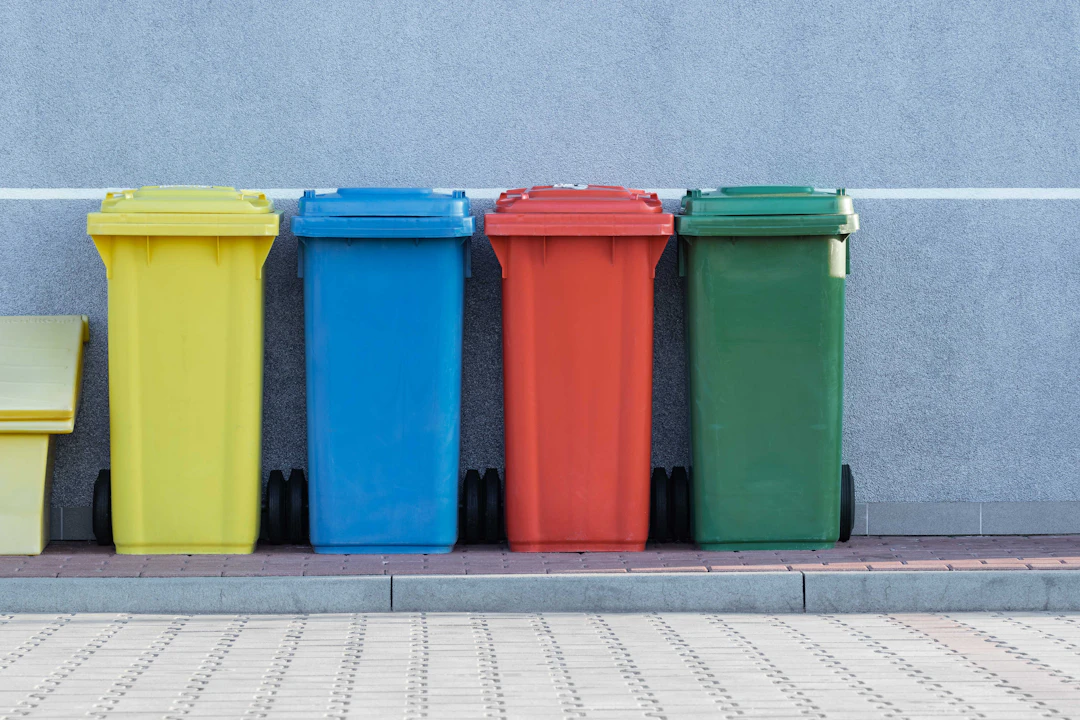
Finally, when a product reaches the end of its useful life, disposal becomes critical. Rather than contributing to landfill waste, sustainable practices can prolong the lifecycle of materials:
Encourage recycling by providing clear instructions on how to do so.
Implement take-back programs that allow customers to return used products.
Promote repurposing or upcycling of products to extend their lifespan.
Every company should weigh the environmental implications of their products and help facilitate responsible end-of-life options for consumers.
Why Sustainability Consulting Matters
Incorporating sustainability into product lifecycles may seem challenging, which is where sustainability consulting comes into play. A sustainability consulting firm offers expertise that can help businesses navigate the complexities of sustainable product development. Here are some benefits:
Expert Insights: Consultants provide valuable knowledge about sustainable practices tailored to specific industries.
Custom Strategies: They help create customized sustainability strategies that align with business goals.
Data-Driven Decisions: Consultants assist with Carbon Emissions Calculation and GHG emissions assessment to track progress and identify areas for improvement.
Having a qualified remote sustainability consultant can also save businesses time, allowing them to focus on their core operations while knowledgeable professionals manage sustainability efforts.
Implementing a Sustainable Products Strategy
To effectively implement a sustainable product lifecycle strategy, businesses should take the following steps:
Conduct Assessments: Evaluate current business practices and identify areas where improvements can be made.
Set Goals: Establish clear, achievable sustainability goals for each stage of the product lifecycle.
Engage Stakeholders: Involve employees, suppliers, and customers in sustainability efforts to build a culture of responsibility.
Monitor Progress: Track the outcomes of sustainability initiatives and adjust as necessary for continued improvement.
By putting a solid strategy in place, businesses can successfully embrace the sustainable product lifecycle, helping protect the environment and meet consumer demands.
Embracing Change for a Greener Future
Understanding the lifecycle of sustainable products is more than just a business strategy; it is a commitment to creating a healthier planet for future generations. With the right practices in place, supported by knowledgeable sustainability consultants, any business can contribute to the global movement for sustainability. Investing in eco-friendly approaches not only benefits the environment but also enhances brand reputation and fosters customer loyalty. As more consumers prioritize sustainable purchasing, being at the forefront of this movement is crucial for business success.
Don’t miss your chance to be a part of this vital change—embrace sustainable practices and collaborate with experts to ensure your business can thrive while also contributing positively to the world around us.
FAQs
What are the stages of the lifecycle of sustainable products?
The lifecycle of sustainable products includes five key stages: raw material extraction, production, distribution, use, and disposal.
How can businesses improve sustainability in the raw material extraction stage?
Businesses can improve sustainability by choosing renewable or recycled materials, working with suppliers who practice ethical sourcing, and being transparent about material origins.
Why is sustainability consulting important for businesses?
Sustainability consulting helps businesses navigate sustainable product development, providing expert insights, custom strategies, and data-driven decisions to track emissions and identify improvements.
What strategies can encourage sustainable use of products by consumers?
To encourage sustainable use, businesses can educate consumers on efficient product use, design for energy conservation, and offer incentives for recycling or responsible disposal.
How can companies promote responsible disposal of their products?
Companies can promote responsible disposal by encouraging recycling with clear instructions, implementing take-back programs, and promoting repurposing or upcycling to extend product lifespan.
Comments