.png)
Transform Your Home: Effective Waste Reduction Strategies for a Greener Future

In today's world, sustainability is no longer just a trend; it has become a necessity. Individuals and families around the globe are becoming increasingly aware of their carbon footprints and the impact of their waste on the environment. If you're looking for effective waste reduction strategies for your household that can contribute to a more sustainable future, you're in the right place! In this article, we will explore practical tactics to reduce waste at home while also considering the benefits of professional guidance from a sustainability consulting firm.
The Importance of Waste Reduction
The first step in understanding waste reduction is recognizing why it matters. Waste contributes to pollution and increases GHG emissions, which in turn drive climate change. By adopting waste reduction strategies, you not only contribute to the health of the planet but also enjoy financial savings and a cleaner living environment.
Declutter Your Home: A Step Towards Sustainability
One of the most straightforward ways to initiate waste reduction is by decluttering your home. Here are some steps you can follow:
Assess Before You Buy: Always consider whether you truly need an item before making a purchase. Think about its lifespan and whether it’ll add value to your life.
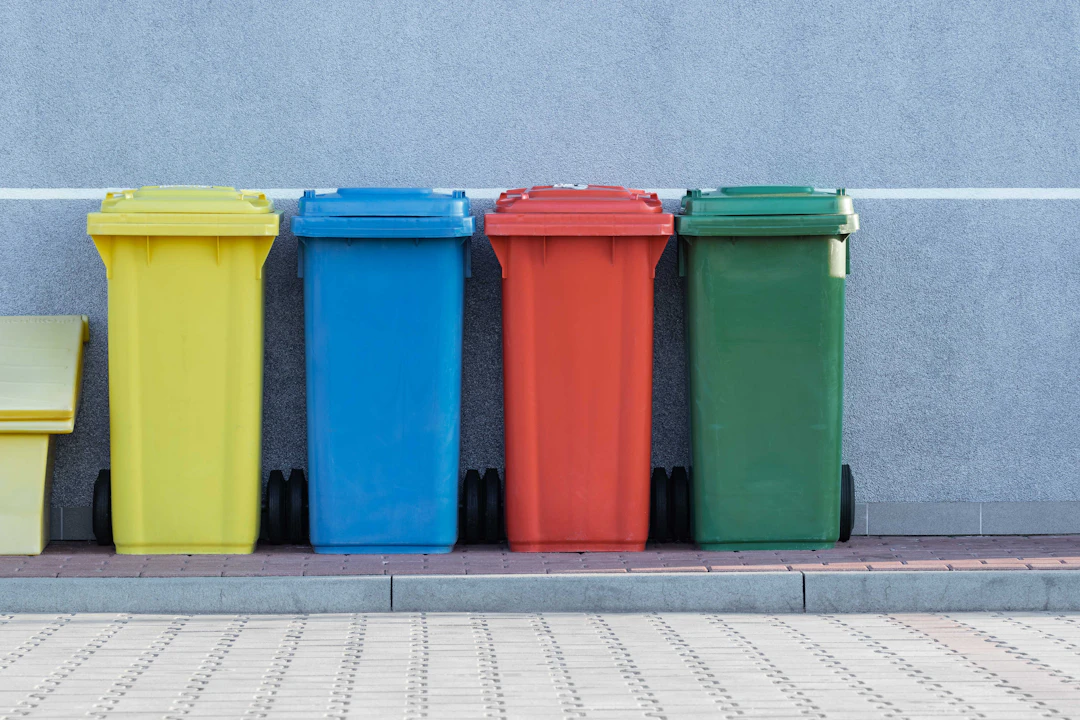
Donate and Recycle: Items that are no longer useful to you might be beneficial to someone else. Donate clothes, appliances, and furniture. Ensure that recyclable materials are sorted correctly to maximize recycling efforts.
Host Swap Parties: Organize events where friends and family can exchange items like clothing, books, and household goods. This promotes a culture of reusing within your community.
Composting: A Natural Approach to Waste Reduction
Composting is an effective method to minimize organic waste. Instead of throwing away food scraps, you can create nutrient-rich compost that can benefit your garden or houseplants. Here’s how to get started:
Select a Compost Bin: Choose a compost bin suitable for your space, whether it’s a store-bought model or a DIY container made from wooden pallets.
Layer Your Materials: Begin layering organic materials, alternating between 'greens' (nitrogen-rich items) and 'browns' (carbon-rich items), like kitchen scraps and dried leaves.
Maintain Your Compost: Ensure proper aeration by turning the compost regularly, which speeds up the decomposition process and prevents odors.
Adopt a Paperless Lifestyle
In a digital era, moving towards a paperless lifestyle can significantly reduce household waste. Here are some steps:
Billing and Banking: Switch to digital billing and online banking to minimize paper statements and receipts.
Digital Organization: Utilize digital tools for note-taking, document management, and storage instead of relying on paper.
Reading Books Digitally: Consider e-books and online articles instead of purchasing physical books and magazines.
Mindful Shopping: Reduce Waste Before It Starts
Another effective strategy for waste reduction involves changing your shopping habits. By focusing on sustainable choices, you can limit your household waste effectively:
Buy in Bulk: Purchase bulk items to reduce the quantity of packaging waste. This option is often more economical, as well.
Choose High-Quality Items: Invest in durable products that last longer and reduce the need to replace items frequently.
Opt for Reusable Over Disposable: Use reusable shopping bags, water bottles, and containers instead of their single-use counterparts.
Team Up with a Sustainability Consultant
If you're serious about making substantial changes in your household, consider reaching out to a sustainability consulting professional. A remote sustainability consultant can assess your current practices and provide tailored strategies to reduce your waste while also calculating your carbon emissions. This data can help you set measurable goals and track your progress over time.
Work on Reducing Food Waste
Food waste is one of the largest contributors to landfill mass and greenhouse gas emissions. Adopting methods to reduce food waste at home is crucial for sustainability:
Plan Your Meals: Craft a meal plan for the week and prepare a shopping list to avoid impulse purchases and unnecessary food waste.
Understand Expiration Dates: Familiarize yourself with food labeling (e.g., “sell by,” “use by,” “best before”) to avoid unnecessary tossing of still-good food.
Use Leftovers Wisely: Get creative with leftovers. Turn them into new meals or freeze them for another time.
Engage in Upcycling Projects
Upcycling is the process of transforming old or discarded items into something new and useful, thereby reducing waste. Here’s how you can get started:
Creative Crafts: Use old glass jars to create storage solutions or turn worn-out clothes into cleaning rags.
Furniture Makeovers: Repurpose old furniture with a fresh coat of paint or new upholstery instead of buying new.
Home Décor: Transform inexpensive materials into decorative items—think of using pallets for art or old doors for tabletops.
Educate Your Family on Waste Reduction
Creating an environmentally conscious household starts with education. Engage your family members, especially children, in discussions about the importance of sustainability:
Set Up a Recycling Challenge: Challenge your family to recycle as much as possible for a week.
Learn Together: Watch documentaries or read books on sustainability to understand the impacts of waste.
Create a “Sustainability” Board: Make a visual board in your home that highlights your family’s goals and successes in achieving waste reduction.
Track Your Progress with Carbon Emissions Calculation
After implementing various waste reduction strategies, it’s important to track your household's progress. This is where a Carbon Emissions Calculation comes into play:
Many tools and online platforms can help you measure and analyze your household’s carbon footprint. Knowing where you stand can motivate your family to set new waste reduction goals and even redefine your sustainability commitments.
Think Long-Term: Cultivate a Sustainable Mindset
Waste reduction is an ongoing journey rather than a one-off project. Cultivating a sustainable mindset within your household will ensure that these practices become second nature. Here are some tips for fostering a culture of sustainability:
Consistency is Key: Reinforce your waste reduction habits regularly to keep everyone engaged and committed.
Reward Progress: Celebrate the milestones your family achieves in waste reduction. It could be a fun outing or a simple movie night at home.
Stay Informed: Keep abreast of the latest sustainability trends and updates that can enhance your waste reduction strategies.
Your Journey Awaits: Embrace the Change!
By adopting these effective waste reduction strategies, your household can make significant strides towards a sustainable future. Embrace the challenge, involve your family, and consider collaborating with experts from a sustainability consulting firm for professional insights. You have the power to reduce your home's carbon footprint and inspire others to join you on this responsible journey. So, roll up your sleeves and take the first step towards a greener, waste-free life today!
FAQs
What are effective waste reduction strategies for households?
Effective waste reduction strategies include decluttering your home, composting, adopting a paperless lifestyle, mindful shopping, reducing food waste, engaging in upcycling projects, educating your family, tracking carbon emissions, and partnering with a sustainability consultant.
Why is waste reduction important?
Waste reduction is important because it helps lower pollution, reduces greenhouse gas emissions contributing to climate change, and leads to financial savings and a cleaner living environment.
How can I start composting at home?
To start composting, select a suitable compost bin, layer your organic materials alternating between 'greens' (like kitchen scraps) and 'browns' (like dried leaves), and maintain your compost by turning it regularly for proper aeration.
What is upcycling and how can I get started?
Upcycling is the process of transforming old or discarded items into something new and useful. You can get started by engaging in creative crafts, furniture makeovers, or creating home décor from inexpensive materials.
How can I educate my family about sustainability?
You can educate your family by setting up recycling challenges, learning together through documentaries or books, and creating a 'Sustainability' board to highlight goals and successes in waste reduction.

Comments