.png)
The Unseen Advantages of Using Recycled Materials: A Pathway to Sustainability

As we venture deeper into the 21st century, the topic of environmental conservation and sustainable living becomes increasingly vital. One innovative solution that is gaining traction in various industries is the use of recycled materials. Not only does this practice have significant environmental benefits, but it also offers a plethora of advantages for businesses and consumers alike. In this blog, we will explore the myriad benefits of using recycled materials while also highlighting the vital role that sustainability consulting plays in promoting this impactful initiative.
Understanding Recycled Materials
Recycled materials are substances that have been processed and repurposed from their original forms into new products. This includes everything from plastic bottles transformed into fabric to reclaimed wood that can be crafted into beautiful furniture. The practice of recycling aids in reducing waste, conserving natural resources, and minimizing Carbon Emissions Calculation. The more efficiently we utilize recycled materials, the less we rely on virgin resources, ultimately leading to a lower carbon footprint.
1. Environmental Impact
The environmental benefits of using recycled materials are substantial. Here are some ways it contributes to a healthier planet:
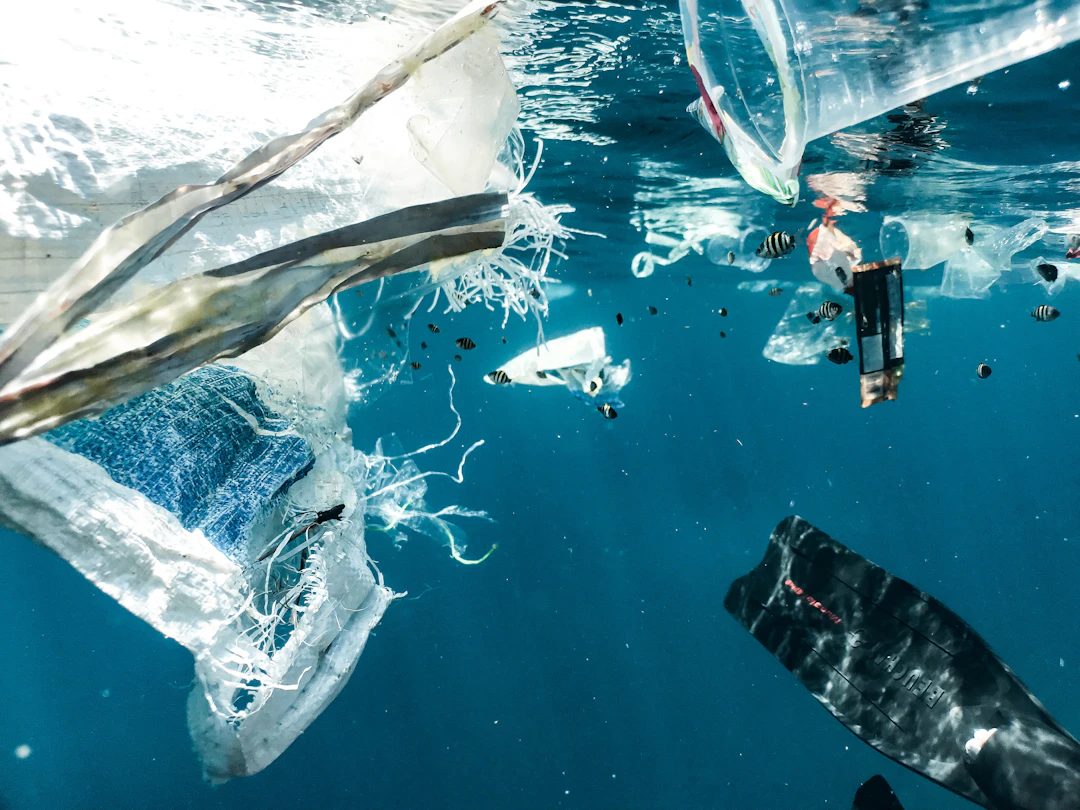
Reduction in Landfill Waste: By using materials that would otherwise end up in a landfill, we are actively reducing waste and pollution.
Conservation of Resources: Recycling conserves natural resources such as timber, water, and minerals. This is especially crucial as these resources become scarcer with increased consumption.
Lower GHG Emissions: The process of recycling often produces significantly fewer GHG Emissions than manufacturing new products from raw materials. This directly contributes to reducing the overall carbon footprint of products.
2. Economic Benefits
Utilizing recycled materials can have a positive economic impact for businesses. Here’s how:
Cost-Effectiveness: In many cases, recycled materials can be less expensive than their virgin counterparts. This can lead to reduced production costs and a healthier bottom line.
Job Creation: The recycling industry creates jobs in processing, production, and related sectors, contributing to economic growth.
Innovation Potential: Companies utilizing recycled materials are often seen as forward-thinking and innovative, which can attract environmentally-conscious consumers and investors.
3. Improved Brand Image
As consumers become more environmentally aware, businesses that incorporate recycled materials can greatly enhance their brand image. Positives include:
Attracting Eco-Conscious Consumers: More shoppers are seeking out products that align with their values on sustainability. By using recycled materials, companies can appeal to this demographic.
Enhanced Reputation: Partnering with a sustainability consulting firm can help businesses to develop a strong sustainability strategy and communicate their efforts effectively to consumers.
Competitive Advantage: Brands that adopt sustainable practices can differentiate themselves in a crowded market, often leading to increased customer loyalty.
4. Supporting Local Economies
Incorporating recycled materials often means sourcing them locally. This can have a powerful impact on local economies:
Community Engagement: Sourcing from local waste and recycling programs fosters community responsibility and engagement.
Boosting Local Manufacturing: When businesses use locally sourced recycled materials, they support regional economies and create jobs within their communities.
Reducing Transportation Emissions: Local sourcing cuts down on the carbon emissions associated with transporting materials over long distances.
5. Encouraging a Circular Economy
The concept of a circular economy—a system focused on reusing, recycling, and regenerating products—can be largely supported through the use of recycled materials. Here’s why this is significant:
Extended Product Lifespan: Recycled materials help prolong the lifecycle of products, reducing the need for raw material extraction and saving resources.
Less Waste: A circular economy minimizes waste by ensuring that old products are reused rather than discarded.
Innovative Design Opportunities: When using recycled materials, designers can think outside the box, leading to more creative and unique product designs.
6. Collaboration with Sustainability Consulting
For businesses looking to shift towards the adoption of recycled materials, consulting with a remote sustainability consultant or a sustainability consulting firm can provide the guidance they need:
Tailored Strategies: Sustainability consultants can develop customized strategies for integrating recycled materials into existing product lines.
Carbon Footprint Analysis: They can perform a Carbon Emissions Calculation to determine the environmental impact of materials used and to track progress in reducing emissions.
Compliance and Certification: Consultants can help businesses navigate regulations and pursue certifications that emphasize sustainability.
The Bigger Picture: Making a Global Impact
As we collectively strive for sustainability, the benefits of using recycled materials extend beyond individual businesses. Here’s how:
Global Climate Action: Embracing recycled materials can play an important role in global efforts to combat climate change.
Resource Security: By recycling more, countries can lessen their dependence on imported materials, promoting national security regarding resources.
Holistic Environmental Strategies: Recycling contributes to broader environmental strategies, such as reducing overall waste and mitigating pollution.
The Ripple Effect: Success Stories
It’s essential to illustrate the effectiveness of using recycled materials. Various industries have harnessed the power of recycling with great success:
Fashion Industry: Brands are using recycled plastics, turning them into recycled polyester for clothing lines, reducing waste, and inspiring consumers.
Construction Sector: Builders are increasingly employing reclaimed wood and recycled metal in their projects, contributing to sustainable building practices.
Consumer Goods: Companies are creating packaging made from 100% recycled materials, enhancing their sustainability credentials.
Looking Ahead: The Future of Recycled Materials
The use of recycled materials is set to grow as technology advances and consumer preferences shift. Here are some trends on the horizon:
Innovative Recycling Technologies: Breakthrough technologies are improving the efficiency of recycling processes, making it easier to turn waste into valuable resources.
Better Consumer Awareness: As education around sustainability increases, consumers will seek out recycled options, driving demand for businesses to adapt.
Extended Producer Responsibility: Legislation requiring producers to manage the lifecycle of their products will promote the use of recycled materials.
Join the Movement Towards a Greener Future!
The choice to use recycled materials presents an incredible opportunity for businesses and consumers to contribute to a more sustainable future. By embracing this practice, we are not merely reducing waste—we are forging a new paradigm of resource use that prioritizes the health of our planet while reaping economic benefits. Partnering with a sustainability consulting firm can provide the necessary insights and strategies to maximize these benefits.
Let us lean into the future hand-in-hand, uplift our communities, and safeguard our planet for generations to come. Every small step counts in the journey towards sustainability. So, are you ready to take that step towards a greener tomorrow?
FAQs
What are recycled materials?
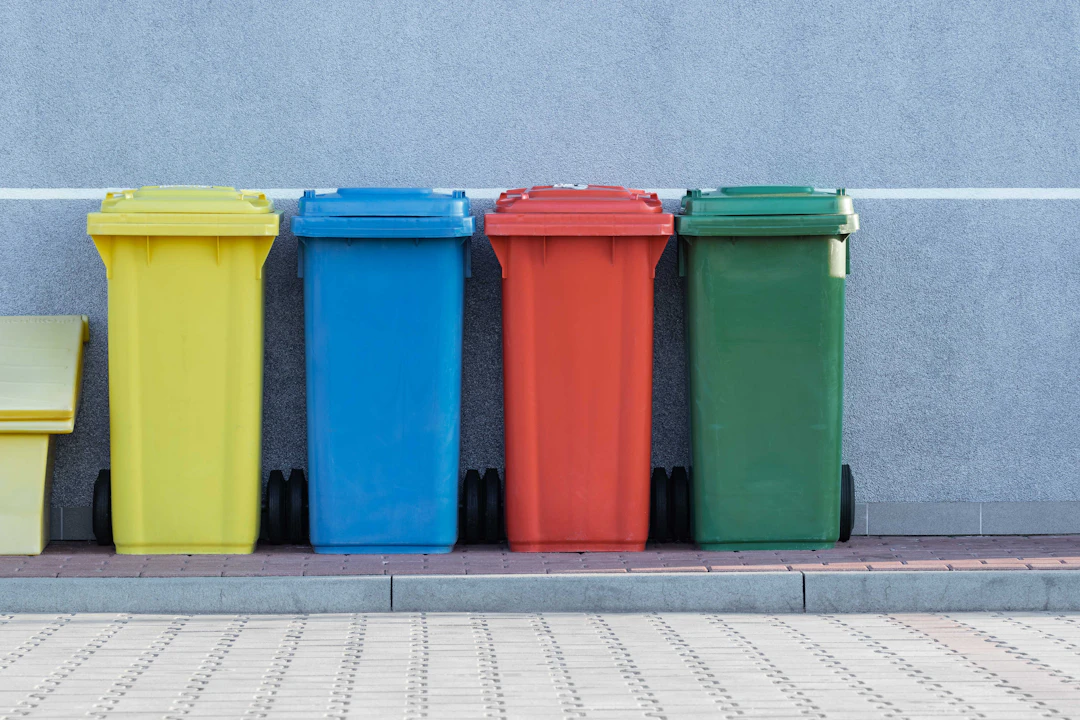
Recycled materials are substances that have been processed and repurposed from their original forms into new products, such as plastic bottles transformed into fabric or reclaimed wood made into furniture.
What are the environmental benefits of using recycled materials?
Using recycled materials helps reduce landfill waste, conserves natural resources, and lowers greenhouse gas emissions compared to manufacturing new products from raw materials.
How can using recycled materials benefit businesses economically?
Recycled materials can be cost-effective, create jobs in the recycling industry, and enhance a company's image as innovative and environmentally conscious, attracting eco-conscious consumers.
What role does sustainability consulting play in using recycled materials?
Sustainability consulting helps businesses develop tailored strategies for integrating recycled materials, perform carbon emissions calculations, and navigate compliance and certification processes.
How do recycled materials contribute to a circular economy?
Recycled materials promote a circular economy by extending product lifespans, minimizing waste, and encouraging innovative design opportunities, ultimately leading to a more sustainable use of resources.

Comments