.png)
The Hidden Costs of Fast Fashion: An Environmental Crisis

In recent years, fast fashion has gained significant traction, captivating consumers’ attention with its cheap prices and the allure of staying trendy. However, what lies beneath the surface is a worrying reality: fast fashion is wreaking havoc on our planet. In this blog post, we’ll delve into the myriad effects fast fashion has on the environment and highlight the importance of embracing sustainability. For those seeking to mitigate these impacts, engaging a sustainability consulting firm can provide practical solutions.
Understanding Fast Fashion
Fast fashion refers to the rapid production of inexpensive clothing, which is often designed to mirror high-fashion trends. This model thrives on mass production, resulting in an overwhelming amount of textile waste. Fast fashion retailers typically present themselves as cost-effective and convenient, but the environmental impacts tell a different story. The temptation to purchase frequently leads to a throwaway culture where clothing is quickly disposed of after use.
The Environmental Consequences
1. Water Consumption
One of the critical areas where fast fashion shows its destructive footprint is through water consumption. The fashion industry is one of the largest consumers of water globally. It takes approximately 10,000 liters of water to produce just one kilogram of cotton, contributing to water scarcity in many regions. This excessive demand means that not only are our freshwater resources depleting, but local ecosystems are also suffering.
2. Toxic Chemicals
In the process of creating low-cost clothing, manufacturers often resort to the use of toxic chemicals to dye and treat fabrics. These chemicals can leach into water systems, contaminating waterways and harming aquatic life. Toxic runoff can also affect communities living near garment factories, leading to serious health issues. For those hoping to address and phase out these harmful practices, consulting a remote sustainability consultant can help organizations navigate the complexities of sustainable sourcing and manufacturing.
3. Waste Generation
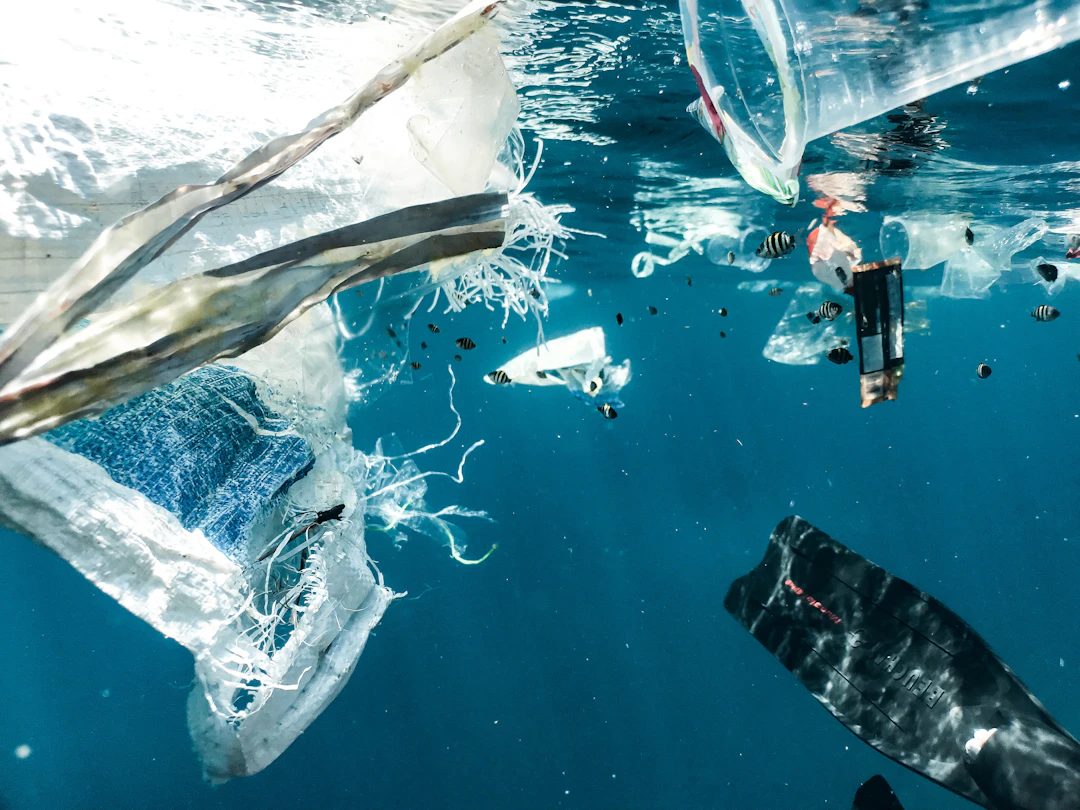
Fast fashion encourages a culture of disposal. According to the Environmental Protection Agency (EPA), textile waste has increased exponentially over recent years, with approximately 92 million tons of clothing ending up in landfills each year. The synthetic materials used by fast fashion brands are often non-biodegradable, meaning they can linger in landfills for hundreds of years. This waste crisis is further exacerbated by the lower resale value of fast fashion items, discouraging recycling and reuse.
4. Carbon Emissions
Fast fashion is a significant contributor to global carbon emissions. The production process generates around 3.3 billion tons of carbon emissions annually, accounting for about 10% of total global emissions. The rapid turnover of fashion items necessitates a high energy consumption, especially when using fossil fuels. As brands focus on fast production times, the environmental toll becomes staggering. Utilizing Carbon Emissions Calculation tools can provide companies with insights into their carbon footprints and help them strategize reduction methods.
5. GHG Emissions
Greenhouse Gas (GHG) emissions from the fashion industry are a growing concern. Notably, the lifecycle of a single piece of clothing—from raw material extraction and manufacturing to transportation and disposal—contributes to these emissions. Tackling GHG emissions through sustainable practices is imperative. A reputable sustainability consulting approach can assist brands in developing strategies that minimize their impact while promoting ethical production practices.
Moving Towards Sustainability
1. The Merits of Sustainable Fashion
Shifting from the fast fashion model to a sustainable fashion model can have profound effects on the environment. Sustainable fashion emphasizes using eco-friendly materials, reducing waste, and ensuring fair labor practices. This transition not only benefits the environment but also speaks to the growing consumer demand for ethical practices.
2. Embracing Ethical Brands
Consumers play a vital role in driving the change toward sustainability. By supporting brands that prioritize sustainable practices, consumers can influence the industry to adapt. Researching brands that adhere to eco-friendly standards can help individuals make informed decisions that align with their values. Additionally, leveraging the expertise of a sustainability consulting firm can further amplify these efforts, offering comprehensive insight into ethical sourcing.
3. The Role of Education
Education is a powerful tool in the fight against fast fashion. By raising awareness about the environmental impact of clothing consumption, consumers are more likely to make choices that favor sustainability. Workshops and seminars led by experienced professionals can provide crucial knowledge about sustainable practices and the importance of reducing one’s fashion footprint.
Practical Steps to Reduce Your Fashion Footprint
To make a difference, individuals can take the following proactive steps:
Opt for Quality Over Quantity: Invest in durable and timeless pieces instead of frequently purchasing cheap trendy items.
Support Local and Ethical Brands: Seek out brands that prioritize sustainability, transparency, and fair labor practices.
Practice Mindful Consumption: Before making a purchase, consider if the item is truly necessary and if it aligns with your values.
Recycle and Upcycle: Donate or repurpose old clothing instead of discarding it. This reduces waste and promotes a circular economy.
Educate Others: Share your knowledge about sustainable fashion with friends and family to expand the impact.
Innovative Solutions and Future Perspectives
While the effects of fast fashion are alarming, there is hope. Various innovative solutions are being pursued within the fashion industry to mitigate these impacts:
1. Circular Fashion
Circular fashion represents a shift away from traditional linear models, emphasizing the reuse and recycling of materials. By designing clothes that are recyclable or biodegradable, brands can help close the loop and reduce waste. As the concept gains traction, many sustainability consulting experts advocate for its implementation across the industry.
2. Use of Sustainable Materials
Switching to organic cotton, Tencel, and hemp reduces the environmental footprint associated with textile production. Innovations in fabric recycling and alternative materials are also underway, providing promising avenues for sustainable sourcing. Working with a remote sustainability consultant can assist brands in identifying suitable materials for eco-conscious production.
3. Transparent Supply Chains
Encouraging transparency within the supply chain fosters accountability and builds consumer trust. Brands that openly share their practices and sources engage consumers who prioritize ethical consumption. It’s vital for companies to establish strong relationships with suppliers committed to sustainable practices.
Join the Movement Towards a Sustainable Future
The pollution and environmental devastation caused by fast fashion are issues that cannot be ignored. Adopting sustainable practices is essential for the health of our planet and future generations. By making informed choices, supporting ethical brands, and holding the fashion industry accountable, consumers can significantly combat the fast fashion crisis. With the help of sustainability consulting, both individuals and businesses can make strides towards a greener future.
Together, we can reshape the fashion landscape and reduce the detrimental impact of our clothing choices on the environment. By acting now, we can pave the way for a sustainable and stylish future.
FAQs
What is fast fashion?
Fast fashion refers to the rapid production of inexpensive clothing, designed to mirror high-fashion trends, resulting in significant environmental impacts.
How does fast fashion affect water consumption?
The fashion industry is one of the largest consumers of water, with approximately 10,000 liters required to produce just one kilogram of cotton, contributing to water scarcity.
What are the environmental consequences of fast fashion?
Fast fashion leads to high levels of waste generation, toxic chemical pollution, significant carbon and greenhouse gas emissions, and excessive water consumption.
What are some practical steps to reduce your fashion footprint?
Individuals can reduce their fashion footprint by opting for quality over quantity, supporting local and ethical brands, practicing mindful consumption, recycling/upcycling clothing, and educating others.
How can sustainability consulting help combat the effects of fast fashion?
Sustainability consulting can provide practical solutions, help brands adopt sustainable practices, navigate ethical sourcing, and promote accountability in supply chains.

Comments